
If you're evaluating mobile X-ray systems, you've likely encountered two very different tube technologies described in spec sheets. One has dominated radiology for nearly a century. The other is rewriting what mobile imaging can do. Here's what those differences actually mean at the bedside — and for your procurement decision.
How Rotating Anode Technology Works
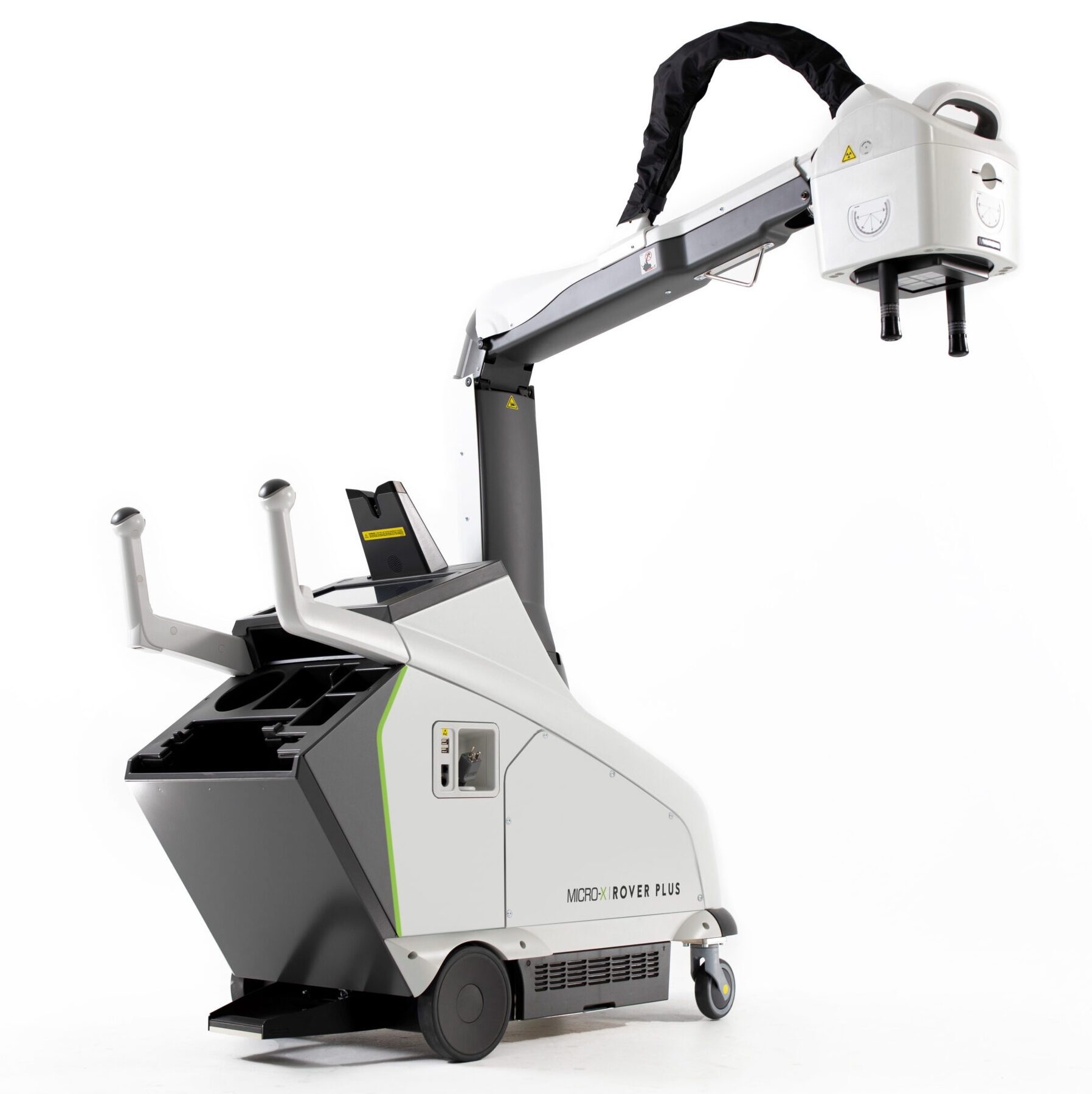
The rotating anode has been the backbone of diagnostic X-ray since the 1930s. The mechanism is well understood: a tungsten disc spins at high speed — typically 3,000 to 10,000 RPM — while a heated filament cathode fires electrons at it. The rotation distributes the enormous heat generated during X-ray production across the disc surface, preventing the focal spot from melting under thermal load.
To sustain that process, the filament must be heated to temperatures exceeding 2,000°C before electron emission occurs — a physical constraint that researchers at the University of North Carolina documented in peer-reviewed work on next-generation X-ray sources, noting it as the primary limiting factor on tube current in conventional thermionic systems.[3]
This approach works well for high-throughput environments. Rotating anode systems deliver 30–50 kW of peak power, supporting rapid, repeated exposures across a full range of adult and pediatric exams including chest, abdomen, and orthopedic studies.
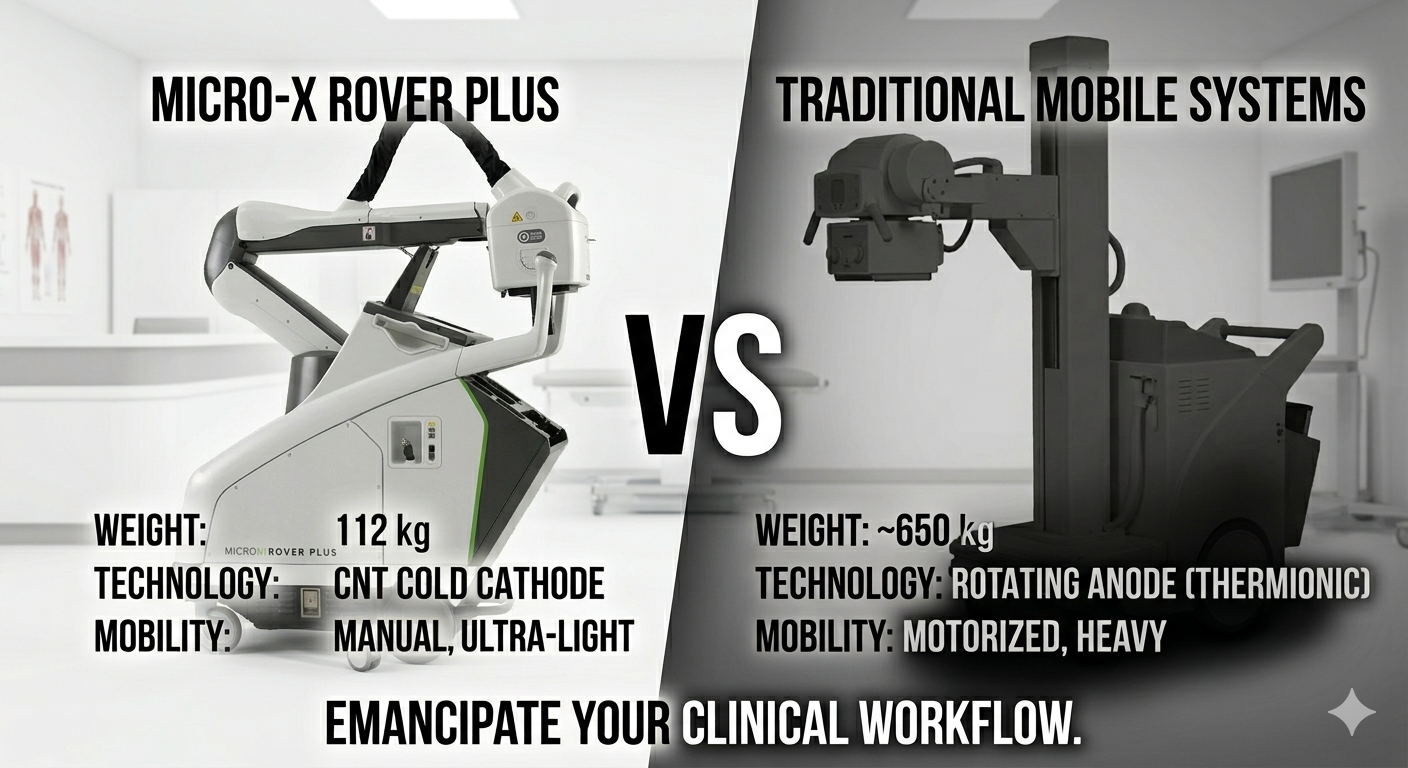
However, physics comes with engineering consequences. To manage heat and deliver that power, rotating anode mobile units require heavy shielding, large battery banks, and motorized drive systems. The result: traditional mobile units from GE (AMX Navigate, ~500 kg), Siemens (Mobilett Elara Max, ~800 kg), Philips (MobileDiagnost wDR, ~500 kg), and Carestream (DRX-Revolution, ~650 kg) weigh between 375 and 800 kg. They are powerful, capable machines — but they are fundamentally institutional tools, designed for hospital corridors and centralized radiology workflows.
How Carbon Nanotube (CNT) Technology Works
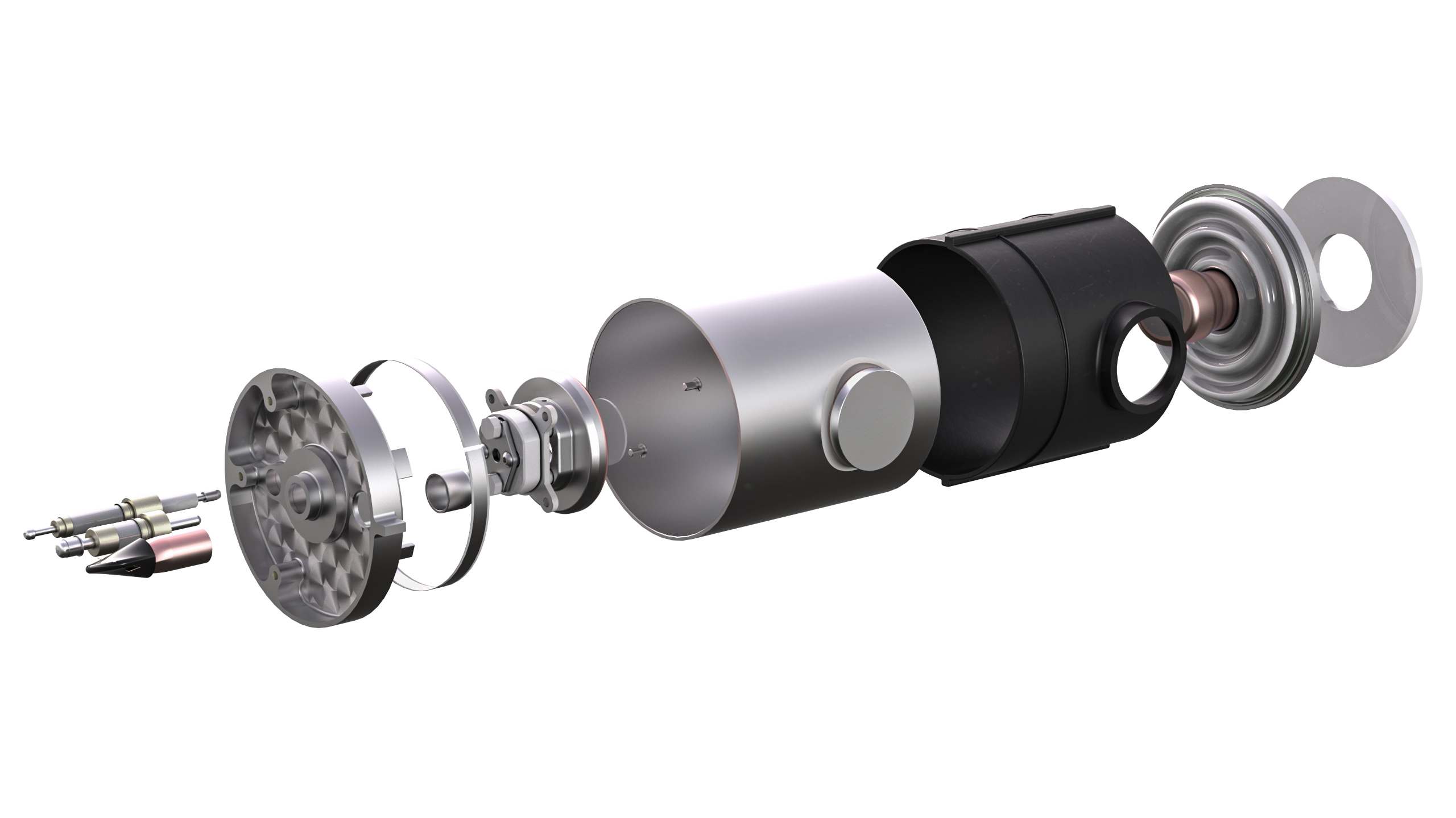
Carbon Nanotube X-ray technology — also called cold cathode emission or Nano Electronic X-ray (NEX) — replaces the heated filament and spinning disc with a fundamentally different electron generation mechanism.
In a CNT tube, electrons are emitted from a dense array of carbon nanotube structures at room temperature through a process called field emission. There is no filament to heat, no disc to spin, and no high-speed mechanical assembly to maintain. Emission is triggered entirely by voltage — applied across the nanotube array, it generates electron emission at approximately 5 V/μm or lower, with stable current densities demonstrated at 1,500 mA/cm² or higher under continuous operating conditions.[2]
A 2018 review published in WIREs Nanomedicine and Nanobiotechnology by researchers at the University of North Carolina's Department of Radiology and Biomedical Engineering confirmed that CNT cathode performance is controlled entirely by this voltage manipulation — eliminating the mechanical and thermal complexity inherent to rotating anode designs.[1] The same research documented over 100 patients successfully imaged under IRB-approved CNT-based protocols across breast, lung, and dental imaging applications, establishing CNT not as an experimental curiosity but as a clinically validated imaging technology.
More recently, a 2026 study published in MDPI Nanomaterials demonstrated that CNT cathodes in thermal-assisted operating mode reduced current fluctuations to below 1%, with consistent pulse response at the microsecond scale — performance characteristics that translate directly into fewer exposure failures and more reliable image acquisition in demanding clinical environments.[4]
The Micro-X Rover Plus uses this CNT architecture in its MXU-RV35 tube, operating across a full diagnostic range of 40–120 kVp with a current range of 20–90 mA and maximum anode input power of 9 kW. The stationary tungsten target, combined with a 2.5 mm Al inherent filter per IEC 60522, delivers consistent image output without the warm-up cycles or inter-exposure cooling periods associated with rotating anode systems.
What the Clinical Differences Actually Look Like
The technology gap between these two approaches becomes most meaningful the moment you leave the radiology department.
Weight and maneuverability
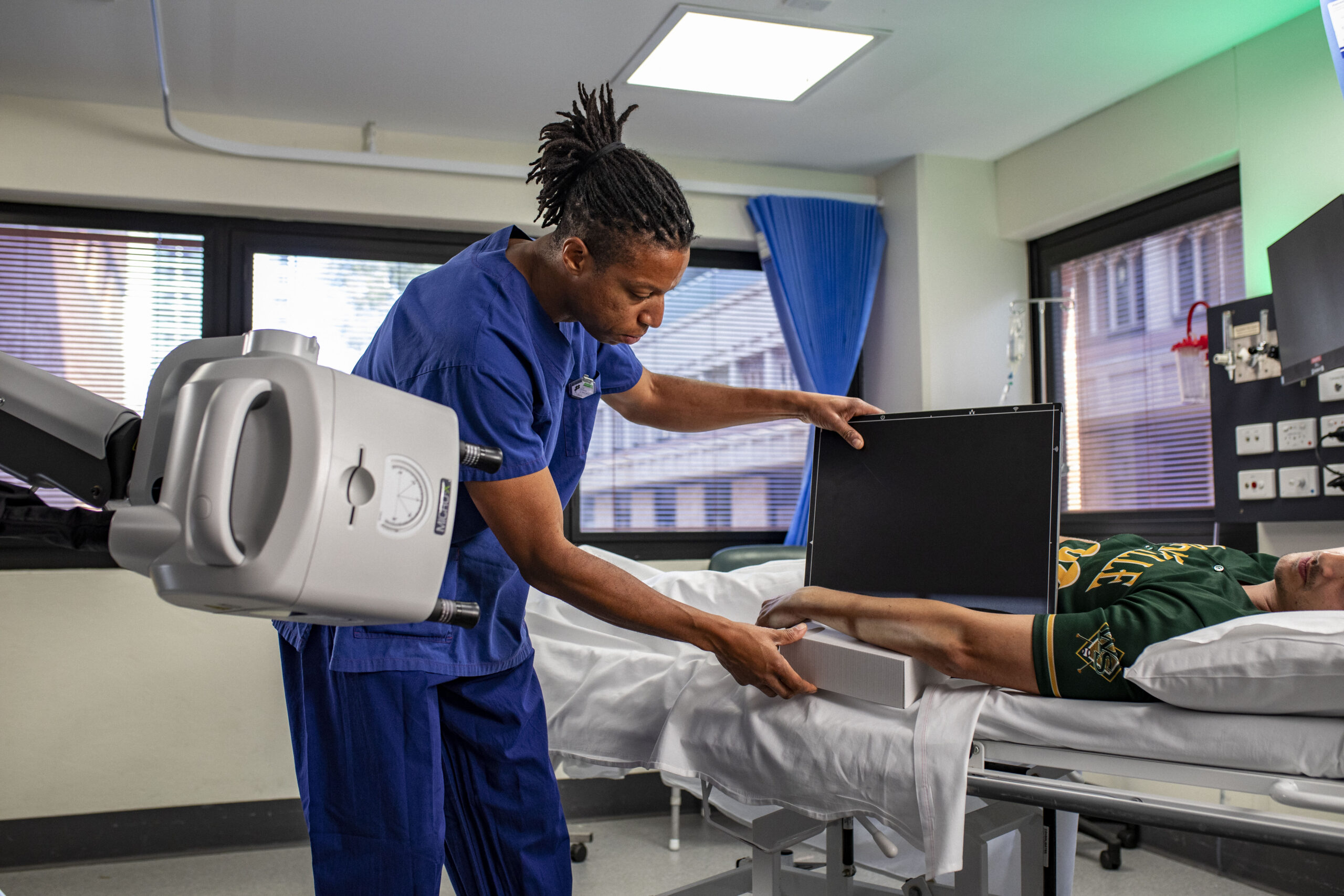
The Rover Plus weighs 112 kg (247 lbs) — roughly one-fifth the weight of the lightest traditional mobile units. A single technologist can push it through a crowded ICU, navigate around isolation equipment, or transport it between floors without a motorized drive system. At 112 kg, it reaches clinical environments that motorized units simply cannot access: field clinics, disaster response sites, remote facilities, and sports venues. See how the weight difference affects total cost of ownership across a 10-year capital cycle.
Power requirements
Rotating anode systems require significant electrical infrastructure to charge and operate. The Rover Plus runs on a 72 Vdc Lithium Ferro-Phosphate (LFP) battery bank — five cells, chargeable from any standard 100–240 Vac outlet. No dedicated high-voltage circuit, no facility upgrade, and no dependence on proximity to a power source during deployment.
Exam readiness
Because there is no anode to spin up and no thermal load to manage between exposures, CNT systems are ready to image almost immediately. Researchers have documented that CNT sources can generate X-ray pulses of any duration and frequency with near-instant switching — a sharp contrast to thermionic cathodes, which require additional gate suppression or mechanical shutters to create millisecond-scale pulses.[2] For ICU teams managing multiple critically ill patients across a shift, that reduction in setup friction is operationally significant.
Tube longevity and total cost of ownership
The absence of moving parts in the CNT tube is not just a design feature — it is a financial argument. Rotating anode tubes are among the most commonly replaced components in mobile X-ray systems, subject to bearing failure, anode cracking, and filament degradation. Micro-X backs the Rover Plus tube with a 10-year warranty — a commitment that has no current equivalent among rotating anode manufacturers. For radiology directors modeling total cost of ownership over a 10-year capital cycle, this single factor can substantially change the procurement calculus.
"For facilities modeling total cost of ownership over a 10-year capital cycle, a 10-year tube warranty with no rotating components has no current equivalent among traditional mobile X-ray manufacturers."
Where CNT Has Limitations
An honest comparison requires acknowledging the tradeoffs.
The difference in peak output — 9 kW for the Rover Plus versus 30–50 kW for conventional units — represents a fundamental shift in engineering philosophy. Traditional high-power systems require massive thermal management and heavy shielding, forcing them into a weight class (500–800 kg) that mandates complex motorized drives and oversized battery banks — both frequent points of mechanical failure. By optimizing the Rover Plus for a 9 kW output, Micro-X has eliminated the mobile unit's dependence on these systems. At just 112 kg, the system removes the need for transportation motors, utilizes lightweight LFP batteries that charge from standard outlets, and significantly reduces structural wear on wheels and collimators. For bedside and critical care imaging, this design prioritizes reliable uptime and maneuverability over the raw, often unnecessary, power of stationary-style tubes.
It is also worth noting that the peer-reviewed literature on CNT X-ray sources has largely concentrated on tomosynthesis, micro-CT, and breast imaging research applications rather than mobile bedside radiography specifically. The underlying physics — field emission, room-temperature operation, stationary anode — are the same regardless of application, but long-term performance data for CNT in portable DR is still accumulating relative to the decades of field experience behind rotating anode systems. The Micro-X Rover Plus, cleared by the FDA under 510(k) K211423, represents one of the first commercial deployments of CNT technology in a fully mobile DR platform.
CNT technology also carries less name recognition among radiology technologists trained on conventional systems. Training and comfort with a known platform is a legitimate operational consideration for departments weighing transition costs.
Which Technology Is Right for Your Setting?
The answer depends on where and how you image — not on which technology is objectively superior. The ideal solution is defined by your operational priorities at the point of care.
CNT — Rover Plus is best for
- ICU and critical care bedside imaging
- Field deployment, disaster response, remote clinics
- Sports medicine and event medical coverage
- Facilities with limited space or electrical infrastructure
- Organizations prioritizing low TCO over a long capital cycle
Rotating anode is better for
- Fixed-asset imaging hubs where the mobile unit rarely leaves a dedicated suite
- Workflow models that prioritize raw peak power over longevity and TCO
For a full side-by-side procurement comparison of the Rover Plus against GE, Siemens, Philips, Carestream, Samsung, and Shimadzu, see the portable X-ray system comparison.
The Bottom Line
Carbon Nanotube technology is not a marginal improvement on the rotating anode — it is the technological successor to the rotating anode for the mobile environment. By eliminating the century-old trade-off between power and portability, the Micro-X Rover Plus replaces the mechanical complexity and weight tax of legacy systems with a 112 kg platform that is lighter, more reliable, and specifically engineered for the modern bedside.
Decades of research, from early field emission studies to IRB-approved human imaging trials, have matured CNT from a laboratory concept into a clinically deployable platform.[1][2][3][4]
The Micro-X Rover Plus is the clearest current expression of what that platform enables in a mobile DR context: a fully diagnostic system weighing less than 250 lbs, operable from a standard outlet, backed by a 10-year tube warranty, and FDA-cleared for clinical use.
For facilities evaluating mobile imaging in 2026 and beyond, the question is no longer whether CNT technology is mature enough for clinical deployment. The question is whether your imaging needs are better served by the raw power of a rotating anode or the mobility, reliability, and longevity that CNT uniquely delivers.
Ready to evaluate the Rover Plus?
Review full technical specifications, the 10-year warranty, and clinical environment fit — or request pricing and a pro forma invoice for your procurement process.
Review Rover Plus Specifications Request Pro Forma InvoiceAlso see: Rover Plus vs. GE, Siemens, Philips, Carestream — full system comparison · Deep dive: The Nano Electronic X-Ray Revolution
References
- Puett C, Inscoe C, Hartman A, et al. "An update on carbon nanotube-enabled X-ray sources for biomedical imaging." WIREs Nanomedicine and Nanobiotechnology. 2018;10(1). doi:10.1002/wnan.1475 PMID: 28398001 ↑
- Lu J, et al. "Carbon nanotube based X-ray sources: Applications in pre-clinical and medical imaging." Nuclear Instruments and Methods in Physics Research Section A. 2010. doi:10.1016/j.nima.2010.10.048 ↑
- Inscoe C, et al. "Carbon nanotube electron field emitters for X-ray imaging of human breast cancer." PMC / National Institutes of Health. 2014. PMC4111146 ↑
- "Thermal-Assisted Field Emission Characteristics of Carbon Nanotubes and Application in Pulsed X-Ray Imaging." MDPI Nanomaterials. 2026;16(5):282. doi:10.3390/nano16050282 ↑
How Rotating Anode Technology Works
The rotating anode has been the backbone of diagnostic X-ray since the 1930s. The mechanism is well understood: a tungsten disc spins at high speed — typically 3,000 to 10,000 RPM — while a heated filament cathode fires electrons at it. The rotation distributes the enormous heat generated during X-ray production across the disc surface, preventing the focal spot from melting under thermal load.
To sustain that process, the filament must be heated to temperatures exceeding 2,000°C before electron emission occurs — a physical constraint that researchers at the University of North Carolina documented in peer-reviewed work on next-generation X-ray sources, noting it as the primary limiting factor on tube current in conventional thermionic systems.[3]
This approach works well for high-throughput environments. Rotating anode systems deliver 30–50 kW of peak power, supporting rapid, repeated exposures across a full range of adult and pediatric exams including chest, abdomen, and orthopedic studies.
However, physics comes with engineering consequences. To manage heat and deliver that power, rotating anode mobile units require heavy shielding, large battery banks, and motorized drive systems. The result: traditional mobile units from GE (AMX Navigate, ~500 kg), Siemens (Mobilett Elara Max, ~800 kg), Philips (MobileDiagnost wDR, ~500 kg), and Carestream (DRX-Revolution, ~650 kg) weigh between 375 and 800 kg. They are powerful, capable machines — but they are fundamentally institutional tools, designed for hospital corridors and centralized radiology workflows.
How Carbon Nanotube (CNT) Technology Works
Carbon Nanotube X-ray technology — also called cold cathode emission or Nano Electronic X-ray (NEX) — replaces the heated filament and spinning disc with a fundamentally different electron generation mechanism.
In a CNT tube, electrons are emitted from a dense array of carbon nanotube structures at room temperature through a process called field emission. There is no filament to heat, no disc to spin, and no high-speed mechanical assembly to maintain. Emission is triggered entirely by voltage — applied across the nanotube array, it generates electron emission at approximately 5 V/μm or lower, with stable current densities demonstrated at 1,500 mA/cm² or higher under continuous operating conditions.[2]
A 2018 review published in WIREs Nanomedicine and Nanobiotechnology by researchers at the University of North Carolina's Department of Radiology and Biomedical Engineering confirmed that CNT cathode performance is controlled entirely by this voltage manipulation — eliminating the mechanical and thermal complexity inherent to rotating anode designs.[1] The same research documented over 100 patients successfully imaged under IRB-approved CNT-based protocols across breast, lung, and dental imaging applications, establishing CNT not as an experimental curiosity but as a clinically validated imaging technology.
More recently, a 2026 study published in MDPI Nanomaterials demonstrated that CNT cathodes in thermal-assisted operating mode reduced current fluctuations to below 1%, with consistent pulse response at the microsecond scale — performance characteristics that translate directly into fewer exposure failures and more reliable image acquisition in demanding clinical environments.[4]
The Micro-X Rover Plus uses this CNT architecture in its MXU-RV35 tube, operating across a full diagnostic range of 40–120 kVp with a current range of 20–90 mA and maximum anode input power of 9 kW. The stationary tungsten target, combined with a 2.5 mm Al inherent filter per IEC 60522, delivers consistent image output without the warm-up cycles or inter-exposure cooling periods associated with rotating anode systems.
What the Clinical Differences Actually Look Like
The technology gap between these two approaches becomes most meaningful the moment you leave the radiology department.
Weight and maneuverability
The Rover Plus weighs 112 kg (247 lbs) — roughly one-fifth the weight of the lightest traditional mobile units. A single technologist can push it through a crowded ICU, navigate around isolation equipment, or transport it between floors without a motorized drive system. At 112 kg, it reaches clinical environments that motorized units simply cannot access: field clinics, disaster response sites, remote facilities, and sports venues. See how the weight difference affects total cost of ownership across a 10-year capital cycle.
Power requirements
Rotating anode systems require significant electrical infrastructure to charge and operate. The Rover Plus runs on a 72 Vdc Lithium Ferro-Phosphate (LFP) battery bank — five cells, chargeable from any standard 100–240 Vac outlet. No dedicated high-voltage circuit, no facility upgrade, and no dependence on proximity to a power source during deployment.
Exam readiness
Because there is no anode to spin up and no thermal load to manage between exposures, CNT systems are ready to image almost immediately. Researchers have documented that CNT sources can generate X-ray pulses of any duration and frequency with near-instant switching — a sharp contrast to thermionic cathodes, which require additional gate suppression or mechanical shutters to create millisecond-scale pulses.[2] For ICU teams managing multiple critically ill patients across a shift, that reduction in setup friction is operationally significant.
Tube longevity and total cost of ownership
The absence of moving parts in the CNT tube is not just a design feature — it is a financial argument. Rotating anode tubes are among the most commonly replaced components in mobile X-ray systems, subject to bearing failure, anode cracking, and filament degradation. Micro-X backs the Rover Plus tube with a 10-year warranty — a commitment that has no current equivalent among rotating anode manufacturers. For radiology directors modeling total cost of ownership over a 10-year capital cycle, this single factor can substantially change the procurement calculus.
"For facilities modeling total cost of ownership over a 10-year capital cycle, a 10-year tube warranty with no rotating components has no current equivalent among traditional mobile X-ray manufacturers."
Where CNT Has Limitations
An honest comparison requires acknowledging the tradeoffs.
The difference in peak output — 9 kW for the Rover Plus versus 30–50 kW for conventional units — represents a fundamental shift in engineering philosophy. Traditional high-power systems require massive thermal management and heavy shielding, forcing them into a weight class (500–800 kg) that mandates complex motorized drives and oversized battery banks — both frequent points of mechanical failure. By optimizing the Rover Plus for a 9 kW output, Micro-X has eliminated the mobile unit's dependence on these systems. At just 112 kg, the system removes the need for transportation motors, utilizes lightweight LFP batteries that charge from standard outlets, and significantly reduces structural wear on wheels and collimators. For bedside and critical care imaging, this design prioritizes reliable uptime and maneuverability over the raw, often unnecessary, power of stationary-style tubes.
It is also worth noting that the peer-reviewed literature on CNT X-ray sources has largely concentrated on tomosynthesis, micro-CT, and breast imaging research applications rather than mobile bedside radiography specifically. The underlying physics — field emission, room-temperature operation, stationary anode — are the same regardless of application, but long-term performance data for CNT in portable DR is still accumulating relative to the decades of field experience behind rotating anode systems. The Micro-X Rover Plus, cleared by the FDA under 510(k) K211423, represents one of the first commercial deployments of CNT technology in a fully mobile DR platform.
CNT technology also carries less name recognition among radiology technologists trained on conventional systems. Training and comfort with a known platform is a legitimate operational consideration for departments weighing transition costs.
Which Technology Is Right for Your Setting?
The answer depends on where and how you image — not on which technology is objectively superior. The ideal solution is defined by your operational priorities at the point of care.
CNT — Rover Plus is best for
- ICU and critical care bedside imaging
- Field deployment, disaster response, remote clinics
- Sports medicine and event medical coverage
- Facilities with limited space or electrical infrastructure
- Organizations prioritizing low TCO over a long capital cycle
Rotating anode is better for
- Fixed-asset imaging hubs where the mobile unit rarely leaves a dedicated suite
- Workflow models that prioritize raw peak power over longevity and TCO
For a full side-by-side procurement comparison of the Rover Plus against GE, Siemens, Philips, Carestream, Samsung, and Shimadzu, see the portable X-ray system comparison.
The Bottom Line
Carbon Nanotube technology is not a marginal improvement on the rotating anode — it is the technological successor to the rotating anode for the mobile environment. By eliminating the century-old trade-off between power and portability, the Micro-X Rover Plus replaces the mechanical complexity and weight tax of legacy systems with a 112 kg platform that is lighter, more reliable, and specifically engineered for the modern bedside.
Decades of research, from early field emission studies to IRB-approved human imaging trials, have matured CNT from a laboratory concept into a clinically deployable platform.[1][2][3][4]
The Micro-X Rover Plus is the clearest current expression of what that platform enables in a mobile DR context: a fully diagnostic system weighing less than 250 lbs, operable from a standard outlet, backed by a 10-year tube warranty, and FDA-cleared for clinical use.
For facilities evaluating mobile imaging in 2026 and beyond, the question is no longer whether CNT technology is mature enough for clinical deployment. The question is whether your imaging needs are better served by the raw power of a rotating anode or the mobility, reliability, and longevity that CNT uniquely delivers.
Ready to evaluate the Rover Plus?
Review full technical specifications, the 10-year warranty, and clinical environment fit — or request pricing and a pro forma invoice for your procurement process.
Review Rover Plus Specifications Request Pro Forma InvoiceAlso see: Rover Plus vs. GE, Siemens, Philips, Carestream — full system comparison · Deep dive: The Nano Electronic X-Ray Revolution
References
- Puett C, Inscoe C, Hartman A, et al. "An update on carbon nanotube-enabled X-ray sources for biomedical imaging." WIREs Nanomedicine and Nanobiotechnology. 2018;10(1). doi:10.1002/wnan.1475 PMID: 28398001 ↑
- Lu J, et al. "Carbon nanotube based X-ray sources: Applications in pre-clinical and medical imaging." Nuclear Instruments and Methods in Physics Research Section A. 2010. doi:10.1016/j.nima.2010.10.048 ↑
- Inscoe C, et al. "Carbon nanotube electron field emitters for X-ray imaging of human breast cancer." PMC / National Institutes of Health. 2014. PMC4111146 ↑
- "Thermal-Assisted Field Emission Characteristics of Carbon Nanotubes and Application in Pulsed X-Ray Imaging." MDPI Nanomaterials. 2026;16(5):282. doi:10.3390/nano16050282 ↑
 Regulatory Disclaimer
Performance and economic outcomes for Lighthouse X-ray solutions may vary based on clinical workflow, patient population, equipment usage, and maintenance practices. All claims of performance, reliability, or cost impact are based on design intent, internal testing, or published data when cited. This information is intended for healthcare professionals and institutional decision-makers only. Clinical and purchasing decisions should be made based on the full review of product labeling, technical specifications, and applicable institutional requirements.  Rx Only.