

The Ambulance That Thinks it is a CT Suite: Inside the Micro-X Head CT
Every specialist medic and radiologic technologist knows the stroke clock. From the moment a patient's brain begins to lose blood flow, roughly 1.9 million neurons die per minute. The faster the imaging, the faster the diagnosis, the faster the intervention, the better the outcome and the hope! That logic has driven decades of investment in faster scanners, wider bores, and more efficient workflows inside hospital walls.
But what if the scanner could come straight out to the patient — before the ambulance even arrives at the emergency room?
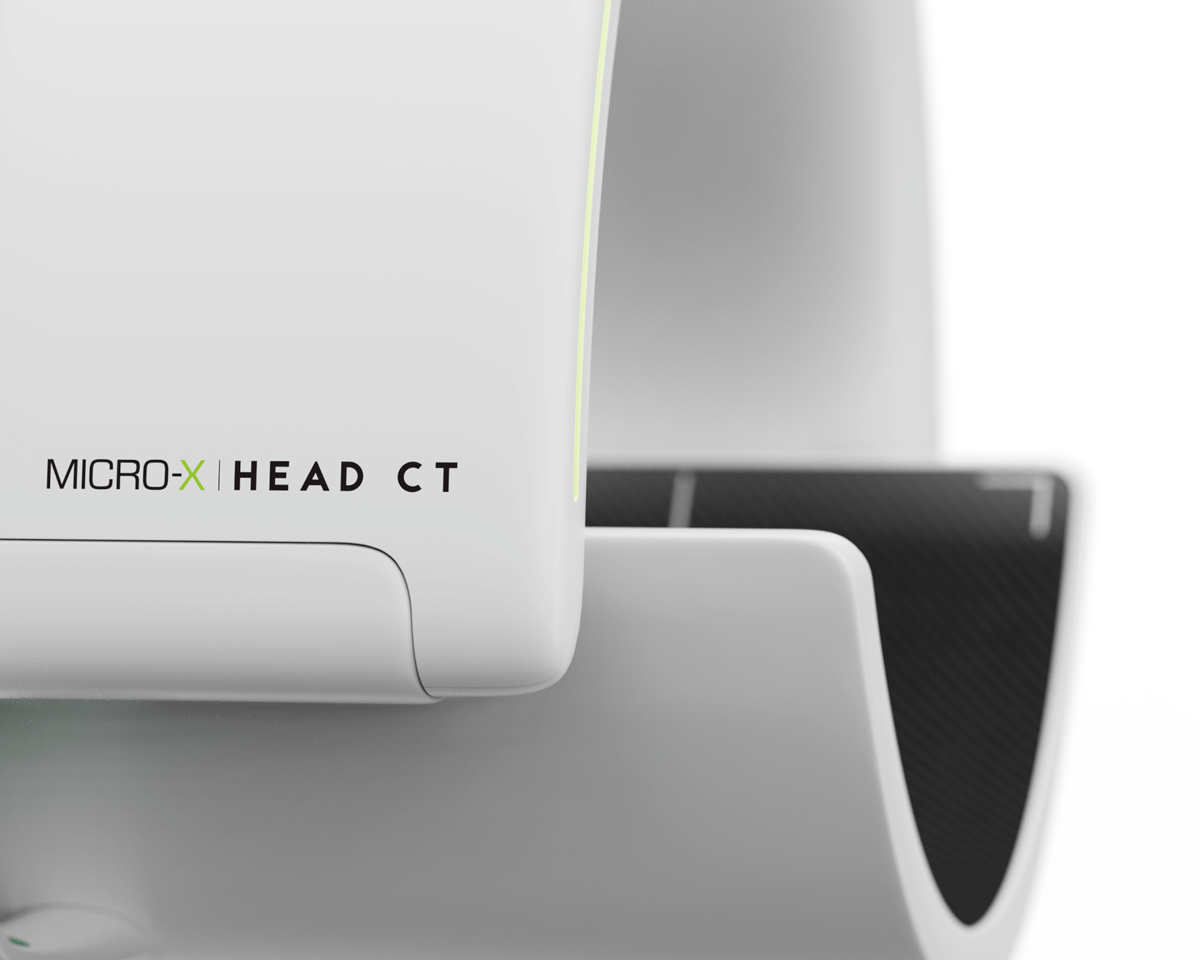
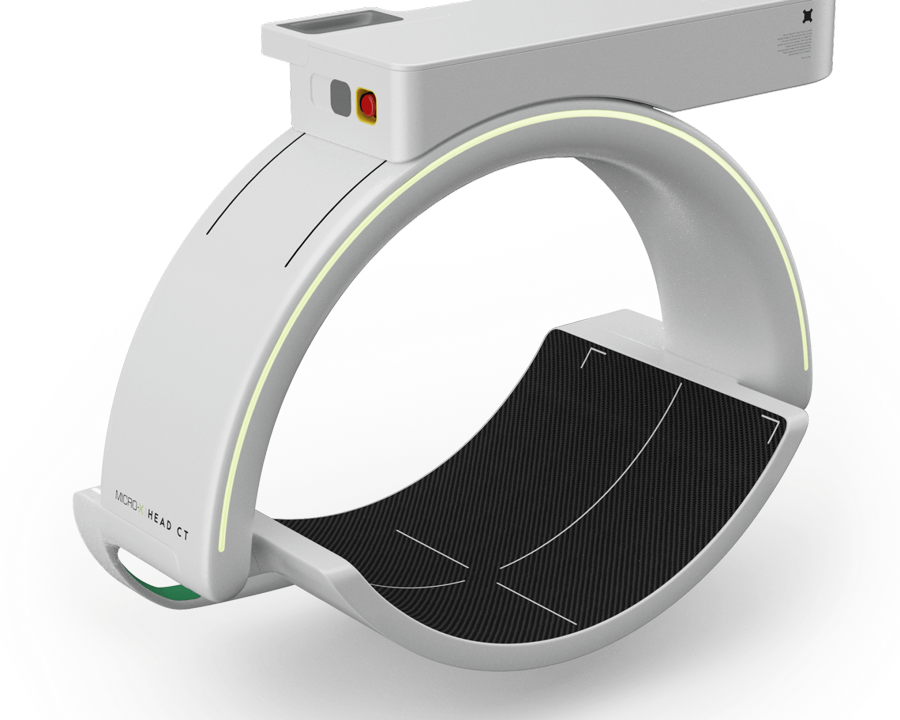
That's the premise behind the Micro-X Head CT, a portable stroke-imaging device unlike anything currently on the market. Built around the same carbon nanotube (CNT) / Nano Electronic X-ray (NEX) technology that powers the Micro-X Rover Plus, this innovative scanner is compact enough to fit not only in any healthcare center, but inside a standard road ambulance or retrieval aircraft as well. As of June 2026, it is actively imaging human patients in Australian hospitals as part of a formal clinical trial with the Australian Stroke Alliance.
How This is Different From a "Mobile Stroke Unit"
You may have seen mobile stroke units (MSUs) — modified ambulances carrying a conventional CT scanner. They work, but they're expensive (often $1M+ per vehicle), heavy, and require a specially fitted truck plus a dedicated on-board technologist and neurologist. Most healthcare systems can't justify one, let alone a fleet.
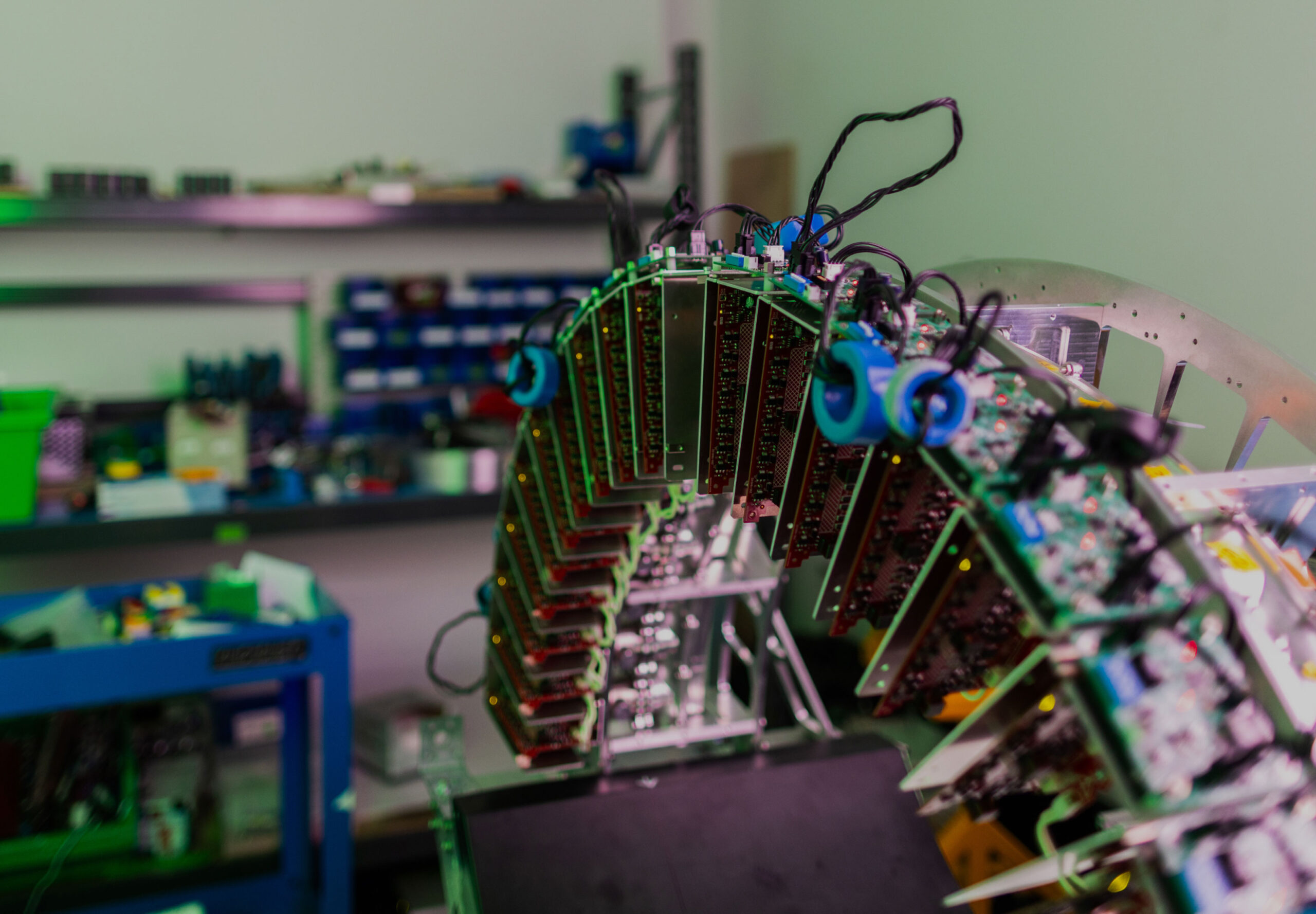
The Micro-X Head CT is taking a fundamentally different approach. Rather than shrinking a traditional rotating-gantry CT, the engineering team eliminated the rotating gantry entirely. Instead, a curved array of miniature CNT tubes fires in sequence around the patient's head — no moving parts, no heavy counterweights, no slip rings, no high maintenance costs.
Fits any standard ambulance — no structural modifications required.
Versus conventional head CT; well within safe public limits. Protects the patient’s head from unnecessary and dangerous radiation.
No gantry, no slip rings, resulting in fewer hardware failure points.
The imaging software, developed in partnership with Johns Hopkins University, uses sparse-view cone-beam CT reconstruction algorithms to generate diagnostic-quality images from the array format. In phantom testing, clinical leads at the Australian Stroke Alliance confirmed resolution of sulci, ventricles, and vascular anatomy in the supratentorial compartment — the structures that matter most in acute stroke triage.
What the Clinical Trials Show

The Head CT's human imaging pilot study, which commenced in June 2026 across Australian hospitals, is structured as a blinded reader study covering five stroke types over a diverse patient sample. The goal: validate that prehospital imaging from this device is clinically actionable — not just "good enough," but good enough to guide treatment decisions before a patient reaches the emergency room.
Following the hospital phase, the trial will expand to road and air ambulances in partnership with the South Australian Ambulance Service and the Royal Adelaide Hospital — a world first in air stroke ambulance imaging. This program is backed by an US$8 million Australian Government grant through the Australian Stroke Alliance and a further US$4.4 million Industry Growth Program award.
Bench Imaging Quality: Earlier bench imaging — presented publicly by Micro-X's CEO at an investor open day — already surpassed the image quality of current mobile stroke units in use today. That's a meaningful bar to clear, and the engineering team cleared it before human trials began.
What This Means for YOU — and for Imaging Programs Around the World
The Head CT is designed to be operated by licensed operators with minimal specialized training. For radiologic technologists, that's both a practical advantage and a professional opportunity: as this technology moves toward broader deployment, someone needs to train the emergency medical services (EMS) teams, validate the protocols, and integrate prehospital imaging into hospital stroke workflows.
The device is not yet FDA-cleared and is not currently available in the United States. It is in active clinical development, with an international rollout anticipated to follow successful Australian trials. As an ambassador of the Micro-X Rover Plus, Lighthouse Imaging Solutions is closely tracking the Head CT program and plans to help this revolutionary solution and hope to millions of people around the world as soon as it becomes available.
Looking Ahead to RSNA 2026: RSNA 2026 in Chicago (Nov 29 to Dec 3) is shaping up to be a key moment for portable and AI-assisted imaging. We expect the Head CT's progress to be a significant conversation at the show — It will be a privilege and honor to talk with you.
Scaling the Array — The Move Toward Full Body CT
The elimination of the rotating gantry isn't just a win for emergency stroke triaging; it represents a paradigm shift in the architecture of computed tomography. While the Head CT is navigating its hospital imaging trials, the core Nano Electronic X-ray (NEX) technology platform is already being scaled into a world-first portable Full Body CT scanner!
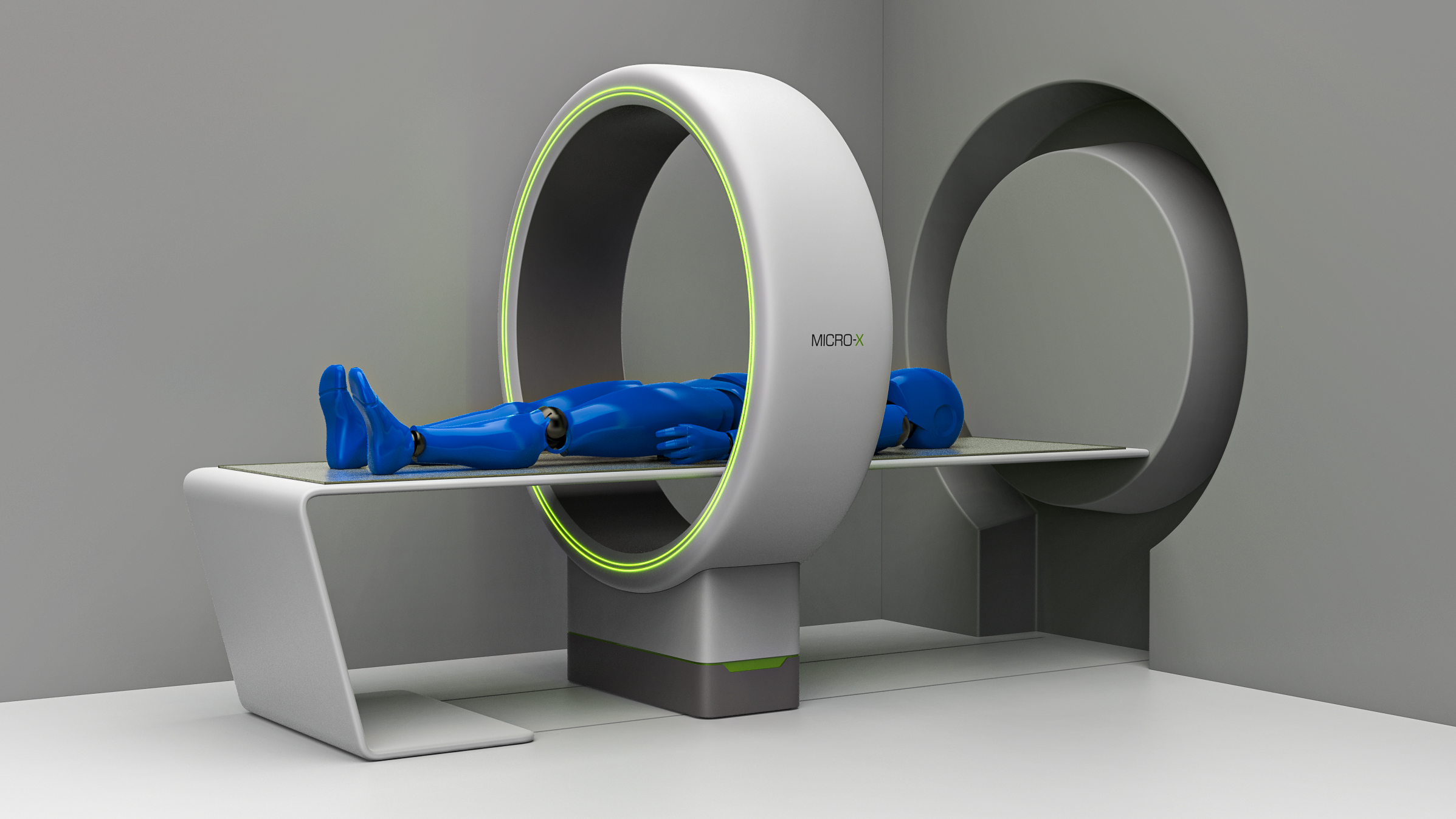
Developed in part under the U.S. Government’s ARPA-H PARADIGM program, this ambitious project aims at bringing 64-slice-equivalent, hospital-grade diagnostic imaging straight into urban, rural, remote, and military health centers. By utilizing a wider stationary ring of miniature carbon nanotube (CNT) tubes controlled via solid-state switching, the system achieves full cross-sectional body imaging without the crushing mass of traditional infrastructure.
The comparative logistics list below highlights exactly why this upcoming solution could change the landscape of decentralized medicine:
- Dramatic Weight Reduction: Traditional full-body CT scanners routinely weigh upward of 2,000 kg (over 4,400 lbs). The Micro-X Full Body CT target weight is just 225 kg (496 lbs) — nearly a 90% reduction, making it truly vehicle-deployable.
- Ruggedized Reliability: Standard clinical scanners rely on rapid, high-precision mechanical rotation. By removing all moving components, the Full Body CT dramatically lowers field maintenance liabilities and points of structural failure.
- Off-Grid Versatility: Engineered with ultra-low power consumption in mind, the unit is being built to run off vehicle power or portable generators, unlocking mobile trauma, oncology, and pediatric imaging to places where traditional clinics cannot operate, let alone survive.
Regulatory and Compliance Note: The Micro-X Full Body CT is an investigational device currently in late-stage development and is not commercially available. It has not yet been cleared by the FDA or other regulatory bodies. Commercial availability will strictly follow the completion of its development programs and subsequent formal regulatory submissions, including FDA 510(k) clearance pathways.